R.M. ENGELHARDT

Poet Writer Author Albany NY

  •  Chivalry.jpg


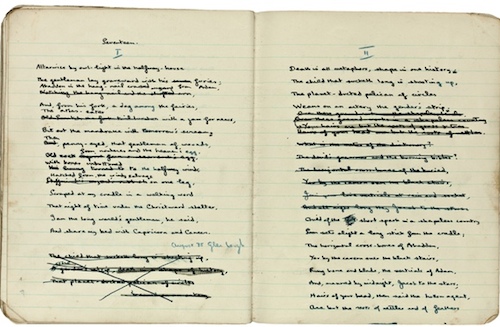
    If tragedy = permission
    If love = desire
    How much we could have learned.

    If knights could have defeated dragons,
    steadfast, strong and true, I would
    have been all of these things for you.

    But love thee, love thee not,
    cancel my thoughts beside the vast
    cataclysm of unwanted dreaming.

    And here in the dark my existence still
    lingers for the spark which you have
    ignited once more “abandoned”

    ________________________
    ~ R.M. ENGELHARDT
  • maddox                                                                             (1944 – 1989)

    POEM

    After everything quits,
    things continue
    happening. The phone
    rings. A knock comes
    at the door. Lightning
    flashes across the bed
    where you bend, looking
    at the dictionary.
    Asleep, you keep waking
    from dreams. The surface
    of your life keeps
    being broken, less and less
    frequently, at random.
    Raindrops after a storm:
    surprise: the ghost of awe.

    He’s been called the unofficial poet laureate of the French Quarter. Everette Maddox (1944-89) was a native Alabamian (Montgomery-born), who, like so many complicated literary souls, made his way to New Orleans to better commune with his muse. While there he taught for a few years at Xavier University and the University of New Orleans, hung out at Uptown’s Maple Leaf Bar (where he founded a reading series that is still going strong) and gradually descended into homelessness and alcoholism, all the while churning out verse on scraps of paper. He published two books of poetry during his lifetime, as well as dozens of individual poems in newspapers (including Mobile’s old Azalea City News) and magazines, which helped secure him a devoted regional readership.

    Now, a wonderful new volume collects a nice range of Maddox’s verse and presents it for a new generation of readers. “I hope it’s not over, and good-by” (UNO Press, paper, $16.95) edited by Ralph Adamo is as good a one-volume introduction to this compelling poet as one could wish for, and every lover of Gulf Coast literature will want a copy on his or her shelf.

    In his brief introduction, Adamo, a Crescent City poet and journalist, explains that this volume “is intended as a showcase of his [Maddox’s] styles, concerns, his wit, and sometimes dazzling sensibility.” Clearly, Maddox’s devotion to his art, to the detriment of his health and, in the end, his very survival, will be difficult for most readers to fully fathom. But the intensity of his experience and his gift for communicating it come through very strongly in this book.

    Several of the poems reference locales around the South — Birmingham, Montgomery and Mobile among them — but New Orleans is by far the dominant presence, and it is beautifully evoked time and again. In “2900 Prytania,” named for Maddox’s first New Orleans address (pictured on the cover), he wrote: “These top few/ lines sagging/ with words/ like ennui/ lagniappe/ crème de menthe/ constitute/ the wrought-iron/ balcony/ of a poem/ shaped just like/ my new 120-/ year-old house/ in New Orleans:/ a wooden lime/ peel hanging/ out of a lightning-/ murdered tree/ 2 stories/ down to knock/ against/ a honeysuckle-/ scented neighborhood/ of weird readers.”

    In “New Orleans,” the city’s watery nature is to the fore: “From the air it’s all puddles:/ a blue-green frog town/ on lily pads. More canals than Amsterdam. You don’t/ land — you sink.” It concludes, “I’ll never write another line/ for anything but love/ in this city where steam/ rises off the street after/ a rain like bosoms heaving.” And in “Front Street, New Orleans,” place and history intermingle: “… Only Governor/ Bernardo de Galvez who played/ ‘so decisive a role’ in the War/ for American Independence/ just off the ferry from Spain/ on his horse looks indecisively/ over my head up Canal Street/ as if to say Where can a man get/ a drink in this part of History”.

    Getting a drink was certainly a significant concern for Maddox. In the introduction, Adamo writes that the poet was frequently “under the influence (from drink served in places that would not be mistaken for glamorous),” and poem after poem references alcohol and drunkenness. In “Urban Maudlin,” Maddox wrote: “Is it the accumulated/ effect of the screwdriver,/ bourbon on the rocks,/ Dixie beer and three brandies/ I’ve had today that/ has caused the first/ g to be torn from the/ Pi gly Wiggly sign across/ the street from this bar?” And in “Drinking Glass,” he composed a poem in praise of an empty glass: “Pick it up and hold it/ to the light — / a repository of dust,/ hair and lipstick.//” But, he continues, “Dump it out/ (salvaging the butt),/ rinse it, twirl it/ once on a cloth,/ and look! how Clarity/ Rides Again.// Raise it now in a toast/ to Friendship,/ and observe,/ deep in the amber booze,/ the old bright planets/ winking.”

    If ultimately careless of his health and worldly prospects, Everette Maddox was fortunate indeed in the devotion of friends like Ralph Adamo, whose determination to share his extraordinary poetic voice will keep his memory and his work evergreen.

    ~  John Sledge

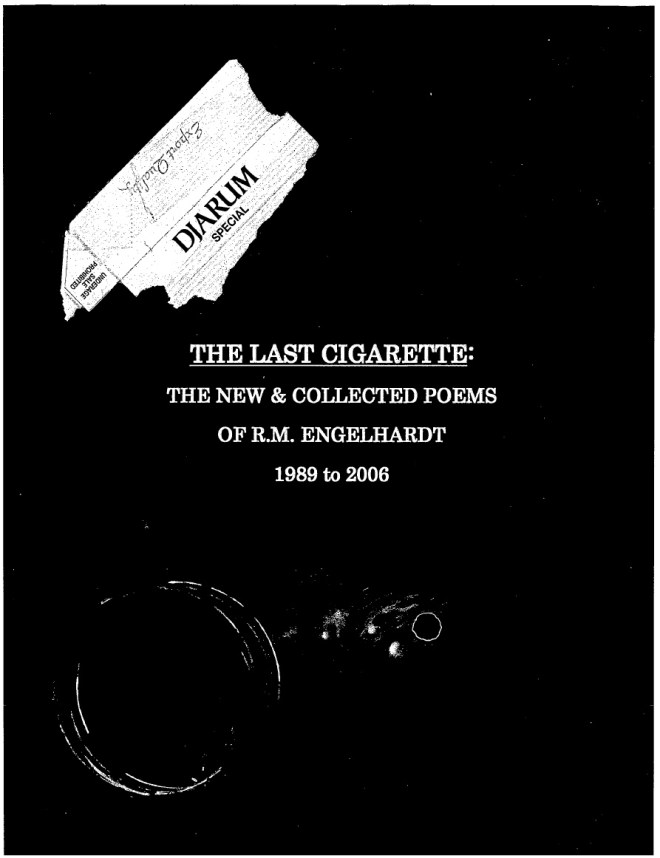
  • THE LAST CIGARETTE : THE COLLECTED POEMS OF R.M. ENGELHARDT
    THE LAST CIGARETTE : THE COLLECTED POEMS OF R.M. ENGELHARDT
  • The Poem Remains ...
    “THE BONES OF OUR EXISTENCE ©” POEMS BY
    R.M. ENGELHARDT. COMING IN 2015


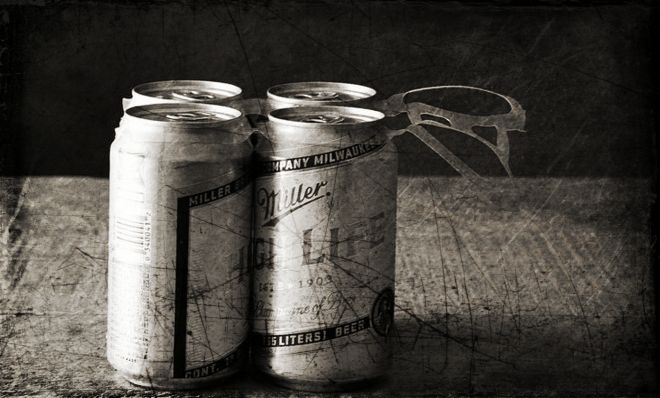
  • THEUNCERTAINMUSEBEER.jpg


    Once

    Long ago

    She would bring me her

    Gifts


    Decadence

    Fine wine

    Fame

    And Friends.


    Never ending parties

    And beautiful words

    Magnificent and dressed in

    Black, poetry written and

    Cloaked in mystery and

    In the eternal darkness

    Of the night.


    And now?

    These days

    She just brings me

    A six pack of beer

    On weekends

    Sits with me

    By my side waiting

    Screams at me, nags at me

    And tells me to

    “Write!”

    __________________


    R.M. ENGELHARDT 2014

  • homeless

    Burn

    by R.M. Engelhardt

    in the night
    december
    the cold wind, the frozen
    world

    stands still
    like an abstract
    like a painting

    without motion.

    without sound.

    smoke & the harsh light
    of streetlamps, reality
    dirt white city sidewalks
    and the panhandlers
    at the bus stop
    telling their tale
    their stories

    to buy another bottle
    or another pint.

    all fallen, all once born
    children
    from someplace

    somewhere.

    who had once believed
    who had once had faith

    like “you”

    the story of mankind
    the story of every past
    history, and poverty,
    promises…and life.

    brother sister child mother
    ghosts of selves dying beneath
    the light. a last dance, a curtin bow
    the only time that we see them
    in our eyes…

    merry christmas
    happy new year

    nothing has changed
    no more is given other
    than what is given
    like a greeting or like a gift

    you are a saint
    you have given him a whole dollar

    to eat

    you have changed
    his life completely,
    love and sin, drink no more
    the gods are all smiling
    upon your soul

    but the george bailey in
    this story has no clarence
    and no one gives a damn,
    the shelters are all full
    and the angels have all ran

    far far away
    with their wings
    to look after
    themselves

    peace on earth,
    good will towards men

    their breath,
    still hanging upon
    the cold wind and
    the smoke of their cigarette
    and its burn…

    do you have a dollar?
    a smoke?

    can I be you? warm?
    heart beating inside
    not realizing
    that the man under the
    jacket’s hood

    is “you”

    merry christmas.

    peace on earth

    good will towards men,

    good will
    towards men.

  • Saint Poem ... Be Visionary

    The Visionary …All men should possess a ‘visionary faculty’. Men do not, because they live wrongly. They live too tensely, under too much strain, ‘getting and spending’. But this loss of the visionary faculty is not entirely man’s fault, it is partly the fault of the world he lives in, that demands that men should spend a certain amount of their time ‘getting and spending’ to stay alive. …The visionary faculty comes naturally to all men. When they are relaxed enough, every leaf of every tree in the world, every speck of dust, is a separate world capable of producing infinite pleasure. If these fail to do so, it is man’s own fault for wasting his time and energy on trivialities. The ideal is the contemplative poet, the ‘sage’, who cares about having only enough money and food to keep him alive, and never takes thought for the morrow.”

    From The Outsider by Colin Wilson

    (Source: rmengelhardt.com)

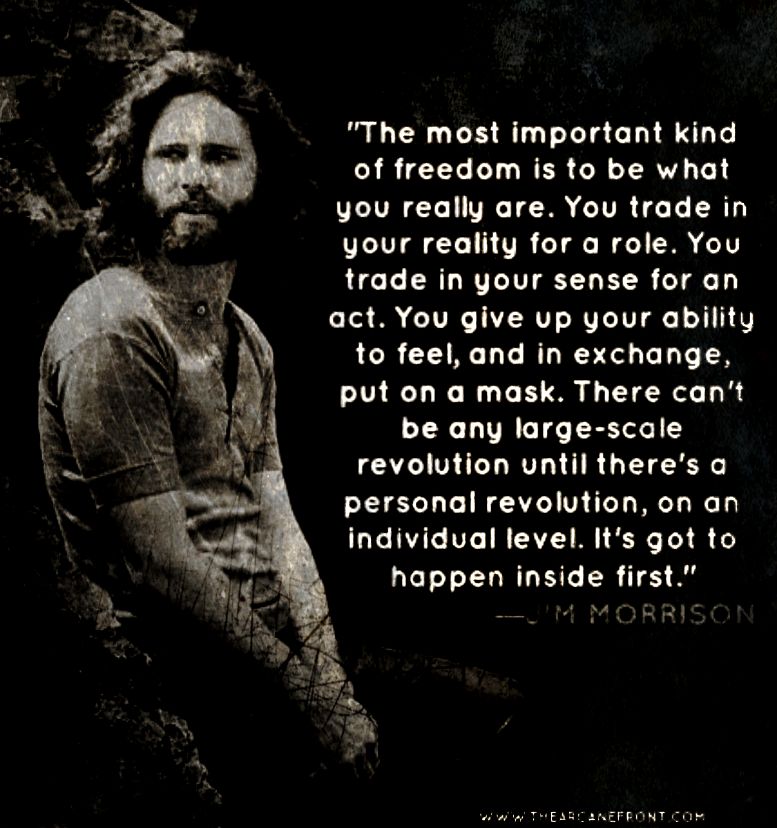
  • morrisonquote2.jpg

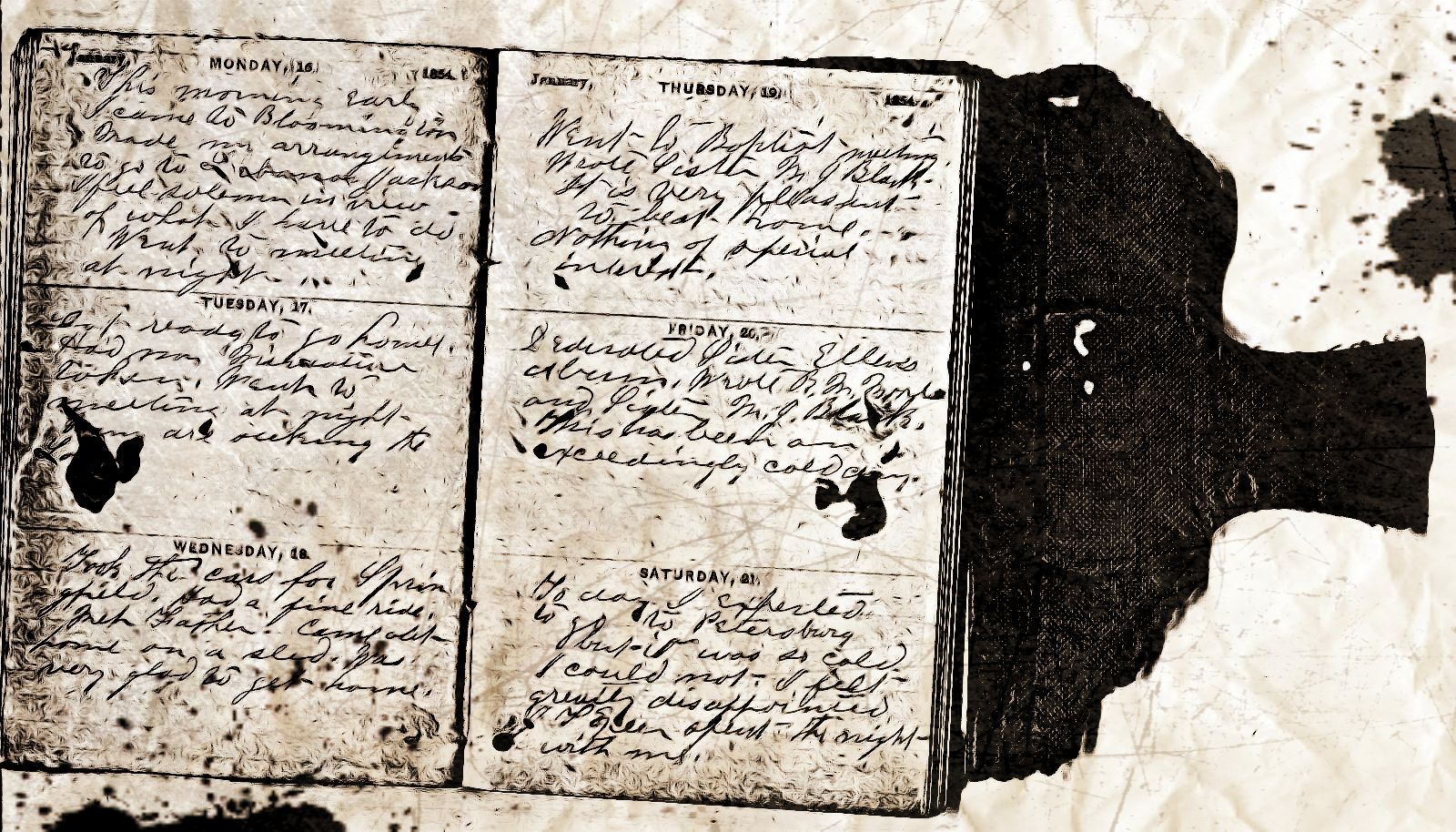
  • old leather journal.jpg

    We write because the blank piece of paper and the pen are there. We write because this is our addiction and we are proud of it. Our habit, our drug, our crutch. Whatever you wish to call it. We write because since an early age we felt it deep in our souls and in our bones. The poem must be written, the story must be told and the new myths and Gods are waiting for you to bring them forth from out of the darkness and to bring them into the light of being. You are a creator, so create. You are the writer. So write.


    ~ R.M. Engelhardt